
追悼 同志アラン・ソーネット(1937―2026)
 admin
アンチキャピタリスト・レジスタンス(英国)
■リード
同志アラン・ソーネットが10月9日、89歳で逝去した。彼は1960~70年代の英国の自動車産業労働運動の有力なリーダーとして、その後は第4インターナショナルの国際執行委員会の一員として60余年にわたって労働者階級の国際連帯と革命的インターナショナルの建設に尽力してきた。以下はアンチキャピタリスト・レジスタンス(第四インターナショナル—イングランド・ウェールズ支部)も参加するエコ社会主義者のオンライン誌『レッドモール』に掲載された同誌編集委員ダンカン・チャペルによる追悼文の抜粋であり、訳者の判断で他の同志による回想(「インターナショナル・ビューポイント」誌やフェイスブックなど)から補足を加えている。
■本文
英国労働運動と革命的社会主義に生涯を捧げた同志アラン・ソーネットが、10月9日、89歳で逝去した。
アランは1937年6月15日、オックスフォード近郊で生まれ、15歳から農業に従事し、その後3年間の兵役を務めた。59年夏、当時の英国自動車産業の拠点だったカウリー地区にあるモーリス・モーターズの工場で働き始め、新型「ミニ」の生産ラインに部品を供給する業務に就いた。同年、彼は共産党に入党したが、64年に離党している。
独学でマルクス主義と産業経済を学び、工場の職場代表(ショップ・スチュワード)、TGWU(運輸一般労働組合)の副支部長・合同職場代表委員会議長として活動した。激しい反対運動や会社の圧力、1982年の解雇について、その経験を著書『インサイド・カウリー』(1998年刊)に表している。同書には後に親交を深めた映画監督のケン・ローチが序文を寄せている。
共産党を離党した後は、約10年にわたって社会主義労働者同盟(SLL、いわゆる「ヒーリー派」)とその後継組織である労働者革命党(WRP)に加盟したが、74年にヒーリーの政治方針を批判し、規律委員会による除名処分を受け、1975年10月に約200名の同志たちとともに労働者社会主義同盟(WSL)を結成し、機関紙『ソーシャリスト・プレス』を創刊した。
このように彼の活動は早い時期から工場の門を越え、労働者の革命的インターナショナルの建設を目指すものだった。
80年代初めのサッチャー政権による労働組合に対する一斉攻撃をめぐる攻防の頂点となった鉱山ストの際には、『ソーシャリスト・ビューポイント』誌を通じて、鉱山労組(NUM)を孤立させないための企業・産業を超えた連帯行動を訴えた。『インサイド・カウリー』では74年から79年にかけての労働党政権下での「社会契約(ソーシャル・コントラクト)」の強行が、職場レベルの労働組合運動を弱体化させたことを強調している。
83年にはトヨタ自動車の高岡工場を視察し、英国のカウリー工場での経験と対比する全5回の連載記事を執筆した。彼はそこで、日本の終身雇用や企業別組合などの制度が、戦後における階級闘争指向の労働組合の徹底的な破壊の上に成り立っていることを明らかにした。当時英国で「日本型労使関係」が注目されていたが、彼はそれが日本における階級的労働組合運動の敗北の輸出に帰結する危険に警鐘を鳴らした((現実にはそうなる前に英国の自動車産業は衰退に入り、労働組合も無力化していった)。
87年に『ソーシャリスト・ビューポイント』誌と『インターナショナル』誌が合併し、『ソーシャリスト・アウトルック』誌が創刊され、アランはそれ以降、第四インターナショナル英国支部の指導者の一人として、また国際委員会のメンバーとして活動し、同時にリスペクト、左翼統一、社会主義抵抗運動、反資本主義抵抗運動などの幅広い左派の結集をめざす運動にも積極的に関与してきた。
旧ユーゴの解体の中でのボスニア戦争(92-5年)では、民族対立を越える労働者の抵抗に連帯し、自ら支援物資を運んでボスニア北東部のトゥズラを何度も訪れた。
晩年の20年、アランは地球科学を学び、気候危機を階級闘争の中心課題として訴え続けた。アーチストや若者の間で共感を呼んだ「死にゆく地球に音楽はない」というフレーズに共鳴し、仲間の間の会話でも「死んだ惑星の上には何も築けない」というフレーズを何度も口にした。このフレーズは社会主義と生態系の未来を一つに結ぶ彼の確信である。
彼の1976年から2026年までに公開されている371本の論文・記事がthornett.redmole.org から閲覧できる。1951年から1997年にかけての論文・記事はウォーリック大学のモダン・レコーズ・センター(Modern Records Centre)に所蔵されている。
人生を終える数週間前まで執筆を続けたその生涯は、資本主義のもとで現実の変革を勝ち取る運動こそが、資本主義を乗り越える力になると私たちに教える。同志アランの不屈の実践と温かな国際主義を胸に刻み、その志を未来へ受け継ぎたい。心から哀悼の意を表す。
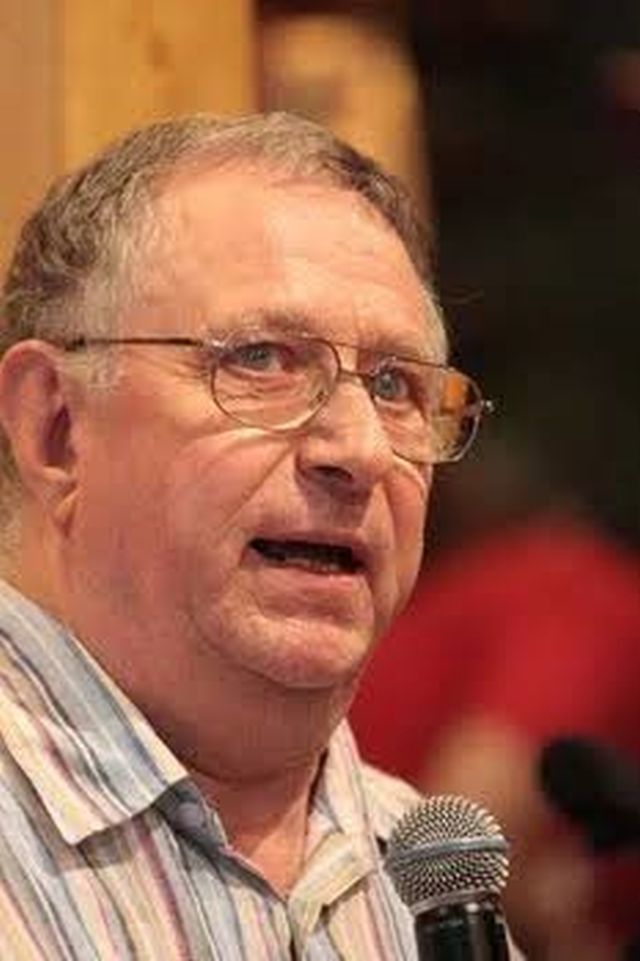
故同志アラン・ソーネット
21世紀における第四インターナショナル
アラン・ソーネット
2014年1月31日
本稿は、2013年11月にドイツの第四インターナショナル(FI)各グループがマンハイムで開催した、第四インターナショナル結成75周年記念イベントにおけるアラン・ソーネットの報告をまとめたものである。同イベントには、FIビューローのヤン・マレフスキや、FIのギリシャ支部であるOKDE(共産主義組織・労働者解放)のマノス・スクフォグルーらも登壇した。イベント終了後、ソーネットは、その場で行われた議論を継続させるために自身の報告内容を文章化することとした。これは当日の発言を逐語的に書き起こしたものではないが、報告の政治的路線に沿っており、主要な論点はすべて網羅されている。また、明確化のために一部の論点は補足・拡張されている。本稿は、元々『インターナショナル・ビューポイント(International Viewpoint)』に掲載されたものである。
前半が英語、後半がgoogle訳になっています。2014年に書かれたもので、FIの今の課題と関連して、日本支部の課題にも直結する内容だと思います。
The Fourth International in the 21st Century
Alan Thornett
January 31, 2014
This is a presentation Alan Thornett made at an event in Mannheim marking 75 years of the Fourth International, organised by the FI’s German groups, in November 2013. Other speakers included Jan Malewski from the FI Bureau and Manos Skoufoglou from OKDE, the Greek section of the FI. At the end of the event he undertook to write up his speech so that the discussion that took place around it can continue. It is not a verbatim write up but it does follow the political line of his presentation and includes all the main points he made. A few points have been expanded for clarity. The article was originally published on International Viewpoint.
Alan Thornett.
Thank you very much for the invitation to speak at this event. I have been asked to give a presentation on “the role of a revolutionary international in non-revolutionary times”—or as I would prefer to put it the role and priorities of the FI in the 21st century.
I want to address a number of key issues in this regard. There is the political character of the FI itself; there is the ecological crisis and the idea of ecosocialism; there is building broad parties, particularly but not only in Europe, and the role of Syriza in Greece; there is also the issue of feminism and feminisation, which I will address to the extent I am qualified, particularly in relation to the crisis of the SWP where it has played a major role. This crisis, by the way, is entirely unresolved and there could be further splits at the SWP conference next month.
If I have time I will also say something about the initiative by Ken Loach which is leading to the founding conference of Left Unity, in Britain, at the end of this month and also the opportunities for far left regroupment which have opened up.
Firstly, then, some remarks on the political character of the FI today. As Jan1 said yesterday the FI today is growing quite fast, and we can be optimistic that this will continue. At every meeting of the International Committee (the leading body of the FI between world congresses) there are applications to join the FI, or to establish a formal relationship with it, from organisations from various strands and traditions of the far left. These have come from Asia and Latin America in particular and to a lesser extent from North America and Europe—from Greece for example.
This is at least partly due to the decisions taken in the 1990s to make the FI into a more pluralist, and open organisation—one which could embrace organisation from different parts of the Trotskyist tradition and beyond. This has allowed a far less dogmatic form of organisation to develop.
It has also been a product of the democratic structures of the FI which has been a long-term feature. As a result of this minority views in the FI (and on its elected bodies) are fully represented and vigorous political debates take place. In the FI the political orientation its sections is decided by the sections themselves and cannot be imposed at the international level. The FI can, and does, take a majority view on the strategic issues and the big political events, and will defend such views. But it cannot impose such decisions on the national sections.
This model of international organisation is increasingly attractive today not least because the other international far left organisations, the IST and the CWI, still have top-down where sections are denounced for or given instructions on issues of political orientation and even on tactical questions.
In fact the challenge for the FI today is not so much attracting new forces but generating the resources and the political capacity to organise and administer an expanded FI and develop a common line of approach.
Ecosocialism
The decision of the last World Congress to place the ecological crisis at the centre of its priorities and define itself as ecosocialist was, in my view, hugely important for the FI and its future development. It has already been a significant factor in attracting new organisations towards the FI. In fact several of the new applicants already regarded themselves as ecosocialist.
Its true that the response of the sections to this decision has been uneven, with the most enthusiastic supporters being those in the front, for example the comrades in the Philippines and Bangladesh. But it is an ongoing process and ecosocialist ideas are getting stronger in the FI as a whole.
The situation is extremely urgent, however. The global temperature is rising; the ice caps are melting; the sea level is rising; the deserts are expanding and extreme weather events are becoming more frequent. We have just seen typhoon Haiyan devastate the Philippines, and this follows hurricanes Katrina in 2005 and Sandy in 2012 that hit New Orleans and New York. The crisis we face worldwide is ecological as well as economic.
Damage from Typhoon Haiyan.
But why does all this require us to become ecosocialists rather than simply taking ecological issues more seriously? Why ‘socialist’ no longer enough?
Ecosocialism is a declaration that we intend to build a new society based on ecological sustainability and social equality and the predominance of use value over exchange value. It is a signal that we reject the capitalist logic of insatiable growth, which is fuelled by the drive for profit.
It is recognition that the task today is not just to end capitalism and establish a socialist society but to establish an ecologically sustainable socialist society—that we do not want to see a revolution take place under conditions where the ecology of the planet has been destroyed in advance.
It is a declaration that the ecological issues will be central to our whole approach to the struggle for socialism and not an-add on extra. In any case if we are incapable of fighting to defend the environment before the transition to socialism how can we be equipped to defend it afterwards?
It is also because the ecological struggle will have to continue after capitalism is gone, and it will not be easy.
Building broad parties
The FI and its sections have long been involved in building broad parties: the Left Block in Portugal, the Red Green Alliance in Denmark, the Socialist party in the Netherlands, Rifondazione Comunista in Italy, Die Linke here in Germany, Syriza in Greece, the SSP in Scotland, and the Socialist Alliance and then Respect in England.
When this was discussed at the last World Congress, however, I held a minority position. This was not on building broad parties as such, since I have been a strong supporter of such a policy. It was because the resolution in front of the congress called only for the building of broad “anti-capitalist” parties. To me this was too restrictive. Yes we should seek to build anti-capitalist parties where the conditions for such parties exist, but this is not always the case. We should also be for building radical left parties that don’t meet such a criteria. Die Linke, for example, is not an anti-capitalist party but it is a major gain for the workers movement in Germany. It’s political character reflects what is possible in the German situation at this particular time.
Building broad parties, however, is crucial if the FI is to have the influence on the wider movement which is necessary and possible today. It means building parties that can start to fill the political space to the left of social democracy that is opened as it moves to the right.
Our class enemies are clear about this. They are not too concerned if we build small revolutionary groups which do good things but which have little influence beyond their own ranks—particularly today when the level of trade union struggle remains low. They do care, however, if we become an influential force in much bigger formations that can have a real influence on the course of events – and even challenge for government.
The most important recent example of the role of a broad party, in recent times, of course, is the rise of Syriza in Greece.
Syriza won a remarkable 27% of the vote in the June election and has maintained such support since. This means that it is effectively a radical left anti-austerity government in waiting. This is hugely important for the European left and the European workers movement. Syriza only failed to win the election because important sections of the Greek left stood against it in the election.
Many on the left (in Greece and elsewhere) claim that Syriza is moving sharply to the right. Some even claim that it is already the new PASOK. (FI supporters in Greece are divided. OKDE, the section, supports Antarsya, which stood against Syriza in the elections, and KOKKINO, a sympathising organisation, supports Syriza and are members of it).
I don’t accept this criticism of Syriza. I would not argue that Syriza has made no mistakes or retreats since it found itself in this remarkable situation. But in my view it does not have an overall trajectory to the right. No doubt Syriza’s leaders are daunted by the prospect of assuming government, but who on the left would not be? But that does not mean they are moving to the right. Certainly the Syriza conference in July—which comprised 3,500 delegates representing 35,000 members—did not reflect such a shift. In fact steps were taken to prepare the party for entry into government
Manos2 will be speaking later, of course, and I am sure he will express a very different point of view.
It is also argued that Syriza is left reformist in character. I don’t think this is very useful either. If left reformism is to be defined so broadly—as everything from the left in the British Labour Party (for example) to the leadership of Syriza—then does not have much value. I think Syriza has more the character of an anti-capitalist party—which I suspect is the way most of its members would describe it, and how they would see themselves.
Syriza is not a revolutionary party, of course, and has never claimed to be one—which is the factor that gives it its mass appeal in the current situation. It is a radical left party committed to an anti-austerity agenda.
There is, of course, a motive behind the insistence that Syriza is left reformist. This is in order to argue that left reformism is in the end reformism full stop and that as such it will inevitably betray if elected to office. Such a party, it is argued, can never open up a development beyond capitalism since the closer reformism gets to power the more it will adapt to the capitalist agenda.
I had an exchange with an SWP speaker (the SWP supports Antarsya in Greece of course) at the recent Historical Materialism conference in London who argued exactly this. When I asked him it would, therefore, be better if Syriza lost the next election rather than winning he had a problem making up his mind.
I don’t accept this assertion of inevitable betrayal. In fact I think there are conditions where a radical left party of this kind, seeking defend the interests of the working class, and with mass support, can open up such a development under the right conditions.
What is clear is that if Syriza were to implement even a small part of its programme on coming to office this would be totally unacceptable to the Greek bourgeoisie and the European elites. There would be a huge confrontation and it is far from clear which way it would go. Syriza’s anti-austerity pledges alone are totally unacceptable to the elites. In fact under today’s conditions in Greece just the rejection of the memorandum has become a transitional demand.
It is this that that has put the matter of a governmental alternative centre stage in Greece today. Syriza rose from 4% in the polls to 27% in the general election after it had made the call for a government of the left anti-austerity parties. This was the crucial factor. The struggle needed a new dynamic, which could only be could provided at governmental level.3
Workers’ Government
The fact is that three years of hard fought class struggle in Greece did not resulted in the formation of soviets of workers’ and soldiers’ deputies and duel power on the streets. What it resulted in was mass support for an anti-austerity government of the left parties via a parliamentary majority.
So what do we say about it? That such a government would be a diversion from the real issue which is the formations of workers and soldiers councils? Of course not! We say that such a government would be a major gain for the working class and that we will fight to get it into office. We will then fight for it to take the struggle to the next stage.
This is far from a new debate, of course, and I am pleased that Jan mentioned it this in his presentation yesterday. It was discussed by the Fourth Congress of the Comintern in 1922, after the revolutionary wave generated by the Russian revolution had receded and the Comintern had to come to terms with the that new struggles for power would not necessarily follow the soviet model.
What they discussed, therefore, was the united front, transitional demands, and the demand for a workers government. A government that comes to office by parliamentary means to represent the interests of the working class under conditions where capitalism, and the capitalist state, remains intact—where no social overturn has yet taken place. In other words it would be a transitional government.
The proposition advanced by the Comintern was that such a government—elected to office with capitalism still existing—could be the vehicle for developments beyond the limitations that capitalism, despite the restrictions which capitalism would attempt to impose on it, and irrespective of whether the leadership of such a government saw itself as playing such a role when it was elected to office.
Could Syriza do it in Greece today if it wins the next election? Who knows? Not even Syriza leadership knows this I suspect. It certainly won’t happen unless Syriza is elected to office! In any case who on the left can guarantee that they would meet such a test if it came? Such a situation would be new territory for the European left.
Challenging capitalism in this way would not be easy, of course, but, there again, there is no easy way of challenging capitalism. Such a government would be faced with a stark choice. It could either take radical measures to defend itself and its mandate (i.e. move sharply to the left and challenge the capitalist institutions) or collapse and accept the conditions demanded by the elites. There is a strong leftwing current inside Syriza which would oppose such a collapse and a mass movement on the streets which would also oppose it.
To defend such a government under these conditions would not only require a mass movement in Greece it would also require the development of solidarity action across Europe, to prevent the isolation of the Greek struggle. It also implies the building of such parties across Europe that can be the driving force for such solidarity action. This is what makes this on building broad parties so important.
Alan Thornett is a member of the Bureau of the Fourth International and a long-time leading member of the British Section of the Fourth International, Socialist Resistance. His most recent book, “Militant Years: Car Workers’ Struggles in Britain in the 60s and 70s”, was published in 2010.
Footnotes:
1 Jan Malewski, member of the Bureau of the Fourth International and of the NPA in France.
2 Manos Skoufoulou, leadng member of OKDE-Spartakos, Greek section of the Fourth International.
3 As I argued in the debate that followed, where was the struggle in Greece go after 25 or 26 general strikes, hundreds of demonstrations, mobilisations, occupations and huge social movements?
4 At this point I ran out of time. I made a few quick remarks about the Ken Loach initiative, but I had to leave most of that and the issue of revolutionary regroupment (and the role of feminism within that) for the discussion which took place after Manos had spoken about the situation in Greece. Manos did indeed present a very different position to the one I have presented and there was a lively exchange. Hopefully Manos will continue the discussion in written form.
★
21世紀における第四インターナショナル
アラン・ソーネット
2014年1月31日
本稿は、2013年11月にドイツの第四インターナショナル(FI)各グループがマンハイムで開催した、第四インターナショナル結成75周年記念イベントにおけるアラン・ソーネットの報告をまとめたものである。同イベントには、FIビューローのヤン・マレフスキや、FIのギリシャ支部であるOKDE(共産主義組織・労働者解放)のマノス・スクフォグルーらも登壇した。イベント終了後、ソーネットは、その場で行われた議論を継続させるために自身の報告内容を文章化することとした。これは当日の発言を逐語的に書き起こしたものではないが、報告の政治的路線に沿っており、主要な論点はすべて網羅されている。また、明確化のために一部の論点は補足・拡張されている。本稿は、元々『インターナショナル・ビューポイント(International Viewpoint)』に掲載されたものである。
アラン・ソーネット:
本イベントにお招きいただき、ありがとうございます。私は「非革命期における革命的インターナショナルの役割」――言い換えれば、「21世紀における第四インターナショナル(FI)の役割と優先課題」――について報告するよう求められました。
この点に関して、いくつかの重要な課題を取り上げたいと思います。まず、第四インターナショナル(FI)自身の政治的性格について。次に、エコロジー危機と「エコ社会主義」という考え方について。さらに、特にヨーロッパを中心とした広範な政党(ブロード・パーティ)の建設と、ギリシャにおける「シリザ(SYRIZA)」の役割について。そして、フェミニズムおよび「フェミニズム化」の問題についても触れます。
これについては、私自身が語る資格のある範囲で、特にSWP(社会主義労働者党)の危機との関連から論じたいと思います。ちなみに、この危機は全く解決しておらず、来月予定されているSWPの党大会でさらなる分裂が起こる可能性もあります。
時間が許せば、ケン・ローチの呼びかけによって今月末にイギリスで開催される「レフト・ユニティ(Left Unity)」の結成大会についても触れたいと思います。また、極左勢力の再編(リグループメント)に向けて開かれた新たな可能性についても言及するつもりです。
それではまず、今日の第四インターナショナル(FI)の政治的性格について、いくつか述べておきます。昨日Jan (*1) が述べたように、今日、第四インターナショナル(FI)は急速に成長しており、この傾向が今後も続くと期待してよいだろう。世界大会の開催期間外におけるFIの最高意思決定機関である国際委員会には、極左の様々な潮流や伝統に属する組織から、FIへの加盟申請や、公式な関係構築を求める申し出が寄せられている。こうした動きは特にアジアやラテンアメリカで顕著であり、北米やヨーロッパ(例えばギリシャなど)からも見られる。
これは、1990年代にFIをより多元的で開かれた組織へと変革するという決定を下したことによる側面が大きい。この変革により、トロツキストの伝統に連なる多様な組織や、それ以外の組織をも包摂することが可能となり、教条主義に陥らない組織のあり方が発展してきた。
また、これはFIが長年維持してきた民主的な構造の賜物でもある。その結果、FI内部(および選出された各機関内)では、少数意見も十分に反映され、活発な政治的議論が展開されている。FIにおいて、各支部(セクション)の政治的方針は当該支部自身が決定するものであり、国際レベルから押し付けられることはない。もちろん、FIは戦略的な課題や重要な政治的出来事について多数意見を形成し、それを表明・擁護することはあるが、そうした決定を各国の支部に強制することはできない。
このような国際組織のモデルは、今日ますます魅力を増している。その理由の一つは、他の極左国際組織であるISTやCWIが、依然としてトップダウン型の運営を行っていることにある。そこでは、政治的方針や戦術的な問題に関して、支部が非難されたり、上部から指示を受けたりすることがあるからだ。
実際、今日のFIにとっての課題は、新たな勢力を惹きつけること以上に、拡大した組織を運営・管理し、共通の方針を策定していくためのリソースや政治的能力をいかに生み出すかという点にある。
エコソーシャリズム(生態学的社会主義)
前回の世界大会において、生態学的危機を最優先課題の中心に据え、自らを「エコソーシャリスト(生態学的社会主義者)」と定義したことは、第四インターナショナル(FI)とその将来の発展にとって、極めて重要な決定であったと私は考えている。この決定は、すでに新たな組織をFIへと惹きつける重要な要因となっている。実際、加盟を申請してきた組織のいくつかは、すでに自らをエコソーシャリストと見なしていた。
もちろん、この決定に対する各支部(セクション)の反応には温度差がある。フィリピンやバングラデシュの同志たちのように、最も熱心に支持している支部もあれば、そうでないところもある。しかし、これは現在進行中のプロセスであり、FI全体としてエコソーシャリズムの考え方は強まりつつある。
とはいえ、事態は極めて緊急を要している。地球の気温は上昇し、氷冠は融解し、海面は上昇し、砂漠化は拡大し、異常気象も頻発している。私たちは、フィリピンを壊滅させた台風ハイエンを目の当たりにしたばかりだが、それ以前にも、2005年のハリケーン・カトリーナがニューオーリンズを、2012年のハリケーン・サンディがニューヨークを襲うという事態があった。私たちが世界規模で直面している危機は、経済的な危機であると同時に、生態学的な危機でもあるのだ。
台風ハイエンによる被害。
では、なぜ単に生態学的な問題をより真剣に受け止めるだけでなく、私たちは「エコソーシャリスト」になる必要があるのだろうか? なぜ「社会主義者」というだけでは不十分なのだろうか?
エコソーシャリズムとは、生態学的な持続可能性と社会的平等に基づき、交換価値よりも使用価値を優先させる新しい社会を築くという宣言である。それは、利潤追求に駆り立てられ、飽くなき成長を求める資本主義の論理を拒絶するという意思表示でもある。
それは、今日の課題が単に資本主義を終わらせて社会主義社会を樹立することにあるのではなく、「生態学的に持続可能な」社会主義社会を樹立することにあるという認識である。つまり、地球の生態系がすでに破壊し尽くされた状態で革命が起こるような事態は、私たちは望まないということだ。
それはまた、生態学的な問題が、社会主義をめざす闘いにおいて、単なる「付け足し」ではなく、我々のアプローチ全体の中核をなすものだという宣言でもある。そもそも、社会主義への移行以前に環境を守るための闘いができないのであれば、移行後に環境を守る能力など備わっているはずがないではないか。それはまた、資本主義が終焉した後も生態学的闘争を継続しなければならず、しかもそれが決して容易なことではないからでもあります。
広範な政党の構築
第四インターナショナル(FI)とその各支部は、長年にわたり、広範な政党の構築に取り組んできました。ポルトガルの「左翼ブロック」、デンマークの「赤緑同盟」、オランダの「社会党」、イタリアの「共産主義再建党」、ドイツの「左翼党(ディー・リンケ)」、ギリシャの「シリザ」、スコットランドの「スコットランド社会党(SSP)」、そしてイングランドにおける「社会主義同盟」やその後の「リスペクト」などがその例です。
しかし、前回の世界大会でこの問題が議論された際、私は少数意見の立場をとりました。これは広範な政党を構築すること自体に反対したからではありません。私はむしろ、そのような方針を強く支持してきたからです。私が異を唱えたのは、大会に提出された決議案が、広範な「反資本主義」政党の構築のみを求めていたからです。私には、これが制限的すぎると感じられました。確かに、反資本主義政党を構築するための条件が整っている場所では、そうした政党の構築を目指すべきでしょう。しかし、常にそうした条件が揃っているわけではありません。私たちは、そのような基準を満たさない「急進左派政党」の構築も支持すべきなのです。例えば、ドイツの「左翼党」は反資本主義政党ではありませんが、ドイツの労働運動にとっては大きな成果です。その政治的性格は、現在のドイツの状況下で何が可能かということを反映しています。
とはいえ、第四インターナショナルが今日、より広範な運動に対して必要かつ可能な影響力を持つためには、広範な政党を構築することが不可欠です。それは、社会民主主義勢力が右傾化する中で生じた、その左側の政治的空間を埋め始めることができるような政党を構築することを意味します。
我々の階級的敵対者たちは、このことをよく理解しています。彼らは、我々が小さな革命的グループを構築すること――たとえそれが有意義な活動を行っていたとしても、組織の内部以外にはほとんど影響力を持たないようなグループであれば――については、それほど懸念を抱いていません。特に、労働組合闘争の水準が依然として低い今日においてはなおさらです。しかし、我々がより大きな組織の中で影響力のある勢力となり、事態の推移に現実的な影響を及ぼし、さらには政権獲得を目指すような存在になれば、彼らは警戒するはずです。
近年における「広範な党(broad party)」の役割を示す最も重要な例といえば、やはりギリシャにおけるシリザ(Syriza)の台頭でしょう。
シリザは6月の選挙で27%という驚くべき得票率を記録し、その後もその支持を維持しています。つまり、シリザは事実上、緊縮財政に反対する急進左派の「政権待機勢力」となっているのです。これは、欧州の左派や労働者運動にとって極めて重要なことです。シリザが選挙で勝利を逃したのは、ギリシャ左派の有力な一部勢力が選挙でシリザに敵対する立場をとったからにすぎません。
左派の多くの人々(ギリシャ国内外を問わず)は、シリザが急激に右傾化していると主張しています。中には、シリザはすでに「新たなPASOK(全ギリシャ社会主義運動)」になってしまったと主張する者さえいます。(ギリシャにおけるFI[第四インターナショナル]支持者の間でも意見は分かれています。同組織の支部であるOKDEは、選挙でシリザに反対したAntarsya[アンタルシア]を支持していますが、友好組織であるKOKKINOはシリザを支持し、その構成員でもあります。)
私は、シリザに対するこうした批判を認めません。この驚くべき状況に置かれて以来、シリザが一度も過ちを犯さなかったとか、一度も後退しなかったなどと主張するつもりはありません。しかし私の見るところ、全体として右傾化の道を歩んでいるわけではありません。確かにシリザの指導者たちは、政権を担うという見通しに気後れしているかもしれませんが、左派の誰がそうならないというのでしょうか?しかし、それは彼らが右傾化していることを意味するわけではありません。実際、7月に開催されたシリザの党大会(3万5000人の党員を代表する3500人の代議員が参加)においても、そのような変化は見られませんでした。それどころか、党が政権入りするための準備を進める措置が講じられたのです。
もちろん、この後マノス(Manos)氏が発言することになっていますが、彼はおそらく全く異なる見解を述べることでしょう。
また、シリザの性格は「左派改良主義」であるという議論もあります。しかし、私はこの見方もあまり有益だとは思いません。もし「左派改良主義」という言葉が、例えば英国労働党内の左派からシリザの指導部に至るまで、あらゆるものを包含するほど広義に定義されるのであれば、それはあまり価値のある概念とは言えないでしょう。シリザは、どちらかと言えば反資本主義的な政党としての性格を帯びていると私は考えます。実際、党員の多くも自らをそのように位置づけ、説明しているのではないでしょうか。
もちろん、シリザは革命政党ではありませんし、自らをそう称したこともありません。そして、この点こそが、現在の状況下で同党が大衆的な支持を集めている要因なのです。シリザは、緊縮財政への反対を掲げる急進左派政党です。
シリザを「左派改良主義」の政党だと主張することには、当然ながらある種の意図があります。その意図とは、「左派改良主義も結局のところは改良主義に過ぎず、それゆえ政権の座に就けば必然的に裏切りが生じる」と論じることにあります。改良主義は権力に近づけば近づくほど資本主義的なアジェンダに適応していくため、そのような政党が資本主義の枠組みを超えた新たな展開を切り開くことなど決してできない、というわけです。
ロンドンで最近開催された「歴史的唯物論(Historical Materialism)」会議において、まさにこの点を主張するSWP(社会主義労働者党。同党は当然ながら、ギリシャではアンタルシャを支持しています)の登壇者と議論を交わしたことがあります。そこで私が、「それならば、シリザは次の選挙で勝利するよりも敗北する方が良いということになるのか」と尋ねたところ、彼は答えに窮していました。
私は、「必然的な裏切り」というこうした主張を認めません。実際、労働者階級の利益を擁護しようとするこうした急進左派政党が、大衆の支持を背景に、適切な条件下で資本主義を超えた新たな展開を切り開くことは可能だと私は考えています。
明らかなのは、もしシリザが政権に就き、その綱領のほんの一部でも実行に移そうとすれば、それはギリシャのブルジョアジーや欧州のエリート層にとって到底容認できない事態になるだろうということです。そこでは激しい対立が生じるでしょうし、その結末がどうなるかは全く不透明です。シリザが掲げる緊縮財政反対の公約だけでも、エリート層にとっては到底受け入れがたいものです。実際、今日のギリシャの状況下では、単に「覚書(メモランダム)」を拒否することさえもが、「過渡的要求(transitional demand)」としての性格を帯びるようになっています。
こうした状況こそが、ギリシャにおいて「政権の代替案」という問題を今日、中心的な争点へと押し上げているのです。シリザは、緊縮財政に反対する左派政党による政権樹立を呼びかけたことで、世論調査における支持率を4%から総選挙での27%へと急上昇させた。これが決定的な要因であった。闘争には新たな力学が必要であり、それは政府レベルでしか生み出し得ないものだった。(*3)
労働者政府
ギリシャにおける3年間の激しい階級闘争は、労働者・兵士代表ソビエトの形成や、街頭における二重権力状態をもたらすには至らなかった。その結果として生じたのは、議会での多数派形成を通じた、緊縮財政に反対する左派政党連合の政府に対する大衆的な支持である。
では、これについてどう考えるべきか。そのような政府は、労働者・兵士評議会の形成という真の課題から目を逸らさせるものなのだろうか? もちろん、そうではない! 我々は、そのような政府の樹立は労働者階級にとって大きな前進であり、その実現に向けて闘うと主張する。そして、その政府が闘争を次の段階へと押し進めるよう、我々は闘っていく。
もちろん、これは決して新しい議論ではない。昨日、ヤン(Jan)が自身の報告の中でこの点に触れてくれたことを嬉しく思う。この問題は、1922年に開催されたコミンテルン第4回大会で議論されたものだ。当時、ロシア革命が引き起こした革命の波はすでに退潮しており、コミンテルンは、新たな権力闘争が必ずしもソビエト型(評議会型)のモデルに従うわけではないという現実と向き合わざるを得なくなっていた。
そこで議論されたのが、統一戦線、過渡的要求、そして「労働者政府」の要求である。これは、資本主義体制や資本主義国家が依然として存続し、社会的な転覆(革命)がまだ起きていない状況下で、議会的な手段を通じて権力の座に就き、労働者階級の利益を代表する政府を指す。言い換えれば、それは「過渡的政府」となる。
コミンテルンが提示した考え方は、資本主義が存続する中で選出されたこうした政府が、資本主義の限界を超えて事態を発展させるための手段となり得る、というものだった。たとえ資本主義側がその政府に対して様々な制約を課そうとしたとしても、また、選出された時点では政府の指導部自身がそのような役割を担うとは考えていなかったとしても、そうした発展は起こり得るのである。
もしギリシャでシリザ(Syriza)が次の選挙に勝利した場合、彼らはそれを成し遂げられるだろうか? それは誰にもわからない。おそらく、シリザの指導部自身にもわからないはずだ。いずれにせよ、シリザが選挙で選出されなければ、そのような可能性すら生まれない! いずれにせよ、左派勢力の中で、もしそのような試練が訪れた際に、それを乗り越えられると保証できる者がいるだろうか? そのような状況は、ヨーロッパの左派にとって未知の領域となるはずだ。もちろん、このように資本主義に挑むことは容易ではない。だがそもそも、資本主義に挑むための「容易な道」など存在しないのだ。そのような政権は、厳しい選択を迫られることになるだろう。自らを守り、国民から託された負託(マンデート)を維持するために急進的な措置を講じるか(つまり、急激に左傾化し、資本主義的な諸制度に挑むか)、それとも崩壊し、エリート層が要求する条件を受け入れるか、という二者択一である。シリザ(Syriza)の内部には、こうした崩壊に反対する強力な左派潮流が存在しており、街頭における大衆運動もまた、そのような崩壊を拒絶するはずだ。
こうした状況下で政権を守り抜くには、ギリシャ国内での大衆運動が必要なだけでなく、ギリシャの闘争が孤立しないよう、ヨーロッパ全土にわたる連帯行動を展開することも不可欠となる。それはまた、そうした連帯行動の原動力となり得る政党を、ヨーロッパ各地に構築することを意味する。だからこそ、広範な政党を築くという取り組みが極めて重要なのである。
アラン・ソーネット(Alan Thornett)は、第四インターナショナル局(Bureau of the Fourth International)のメンバーであり、第四インターナショナル英国支部である「ソーシャリスト・レジスタンス(Socialist Resistance)」の長年の指導的メンバーである。近著に『Militant Years: Car Workers’ Struggles in Britain in the 60s and 70s』(2010年刊)がある。
脚注:
1 ヤン・マレフスキ(Jan Malewski)――第四インターナショナル局メンバー、フランス反資本主義新党(NPA)メンバー。
2 マノス・スクフール(Manos Skoufoulou)――第四インターナショナル・ギリシャ支部「OKDE-スパルタコス(OKDE-Spartakos)」の指導的メンバー。
3 その後の討論で私が問いかけたように、25回から26回に及ぶゼネスト、何百回ものデモや動員、占拠行動、そして巨大な社会運動を経て、ギリシャの闘争は一体どこへ向かうのか?
4 ここで時間が尽きてしまった。ケン・ローチ(Ken Loach)の取り組みについて手短に触れることはできたが、その詳細や、革命的な勢力の再編(およびその中におけるフェミニズムの役割)といった問題については、マノスがギリシャの情勢について語った後の議論に譲らざるを得なかった。実際、マノスは私が提示した見解とは大きく異なる立場を表明しており、活発な意見交換が行われた。マノスさんが、この議論を文書の形で続けてくれることを期待したい。
週刊かけはし
《開封》1部:3ヶ月5,064円、6ヶ月 10,128円 ※3部以上は送料当社負担
《密封》1部:3ヶ月6,088円
《手渡》1部:1ヶ月 1,520円、3ヶ月 4,560円
《購読料・新時代社直送》
振替口座 00860-4-156009 新時代社
